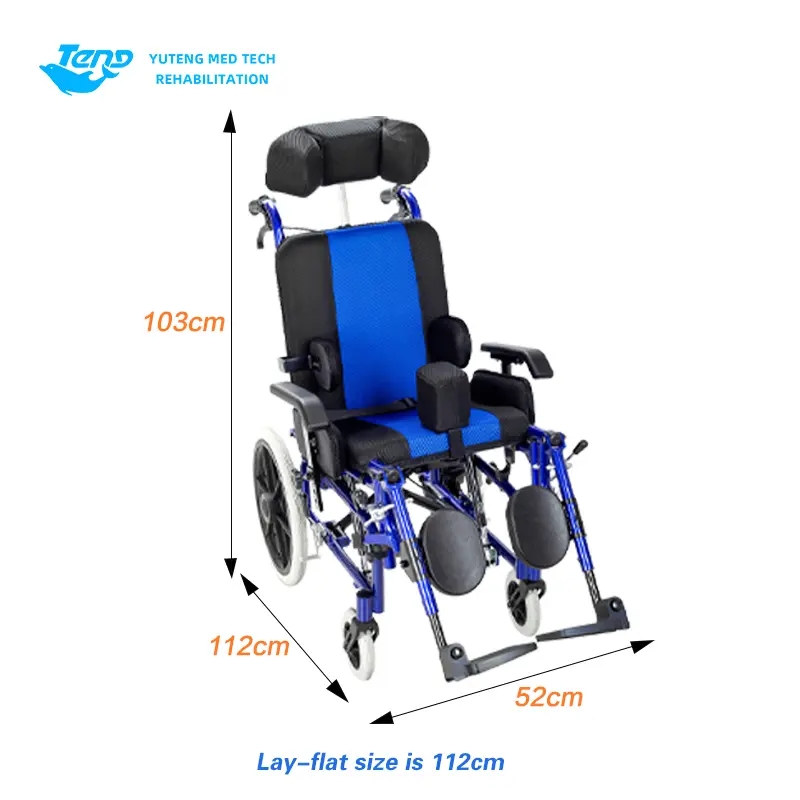
Yuteng Med Tech’s Manual Wheelchair solutions reflect how mobility care is changing as aging populations and innovation reshape rehabilitation needs worldwide. The market is evolving around safer, lighter, and more comfortable mobility support for people with reduced movement abilities.
Mobility challenges are becoming a growing concern in many regions as life expectancy increases and more people require practical rehabilitation assistance. From elderly individuals who need daily support to people recovering from injuries or living with long-term mobility limitations, accessible equipment has become an important part of modern healthcare.
The growing demand is not only connected to population changes but also to improvements in product design. Today’s mobility equipment focuses on easier handling, better comfort, improved safety, and greater independence. These trends are encouraging continuous development across the rehabilitation equipment sector.
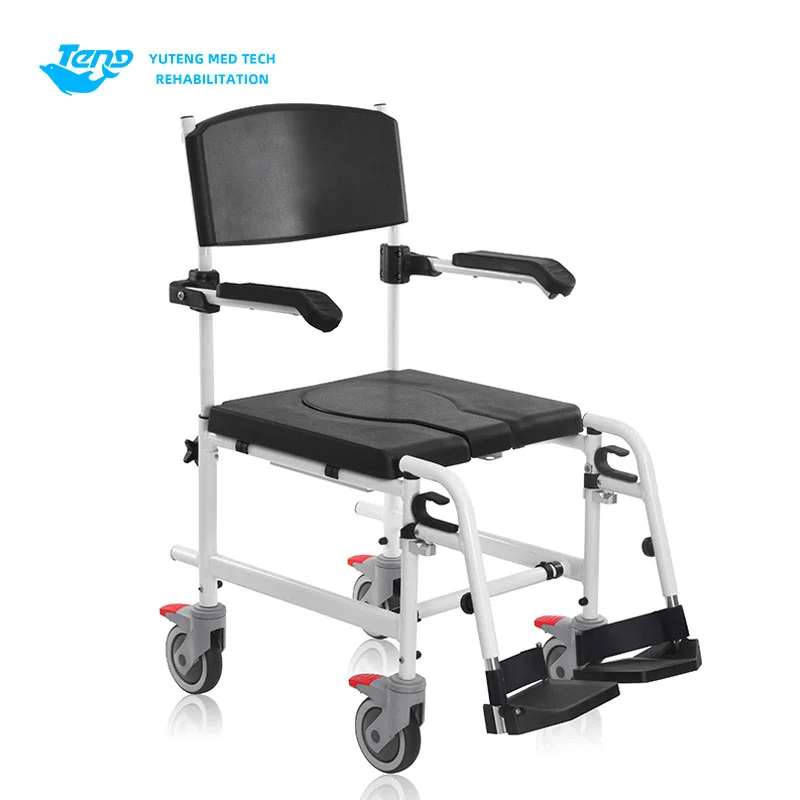
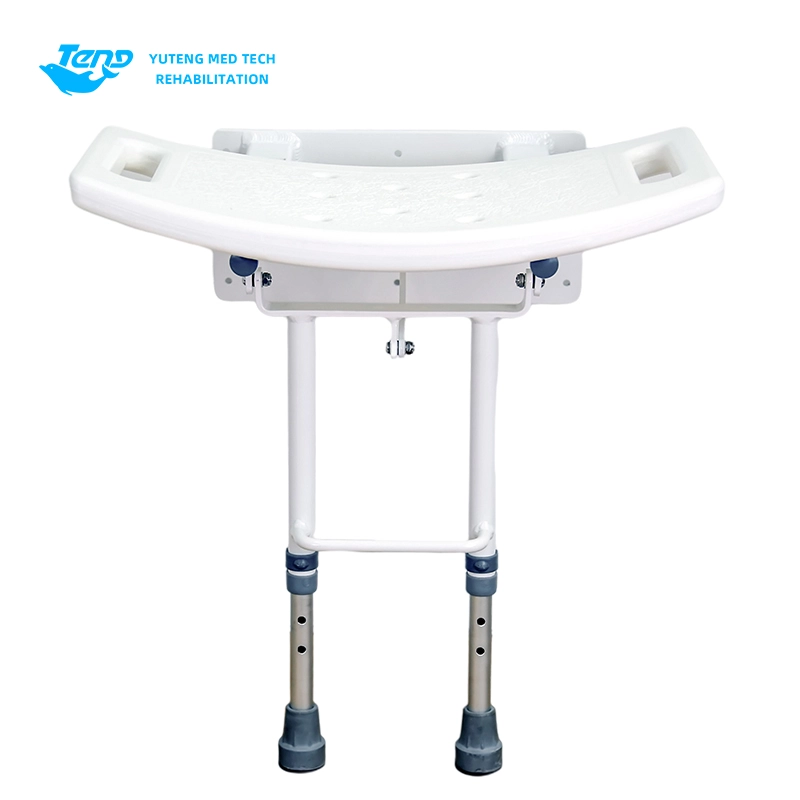
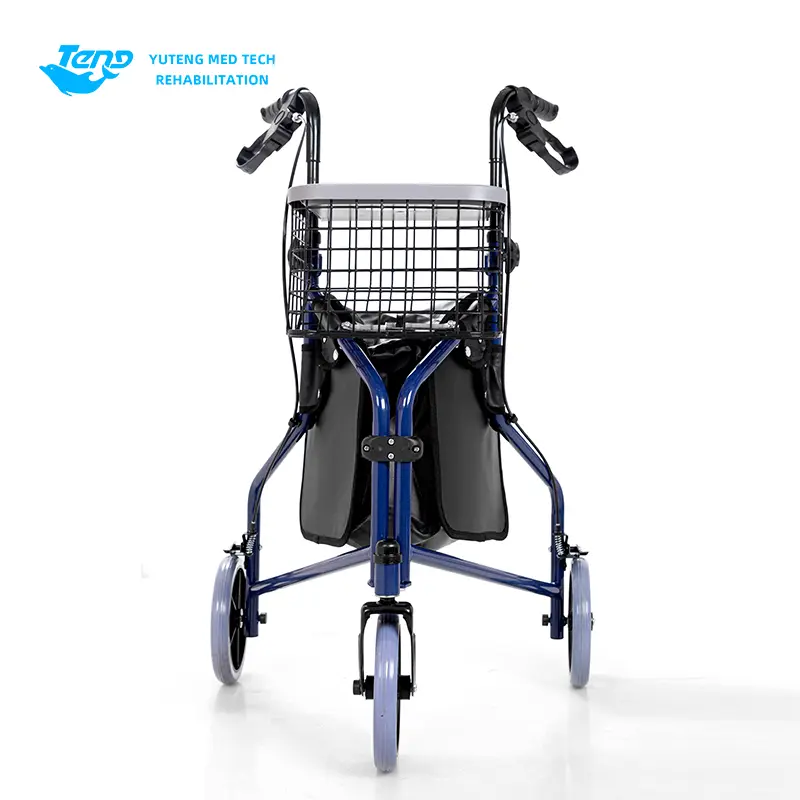
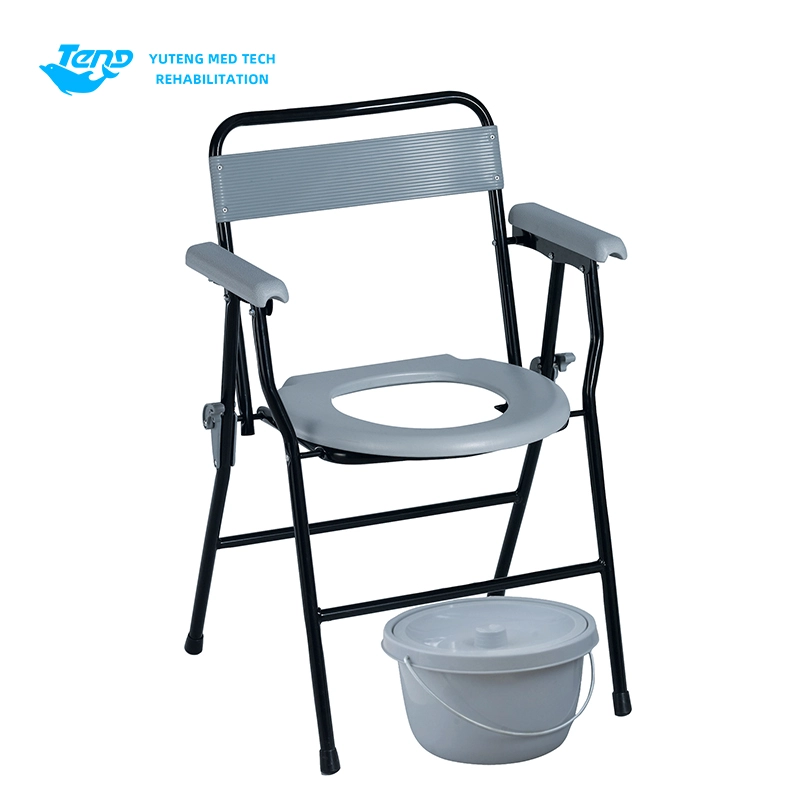
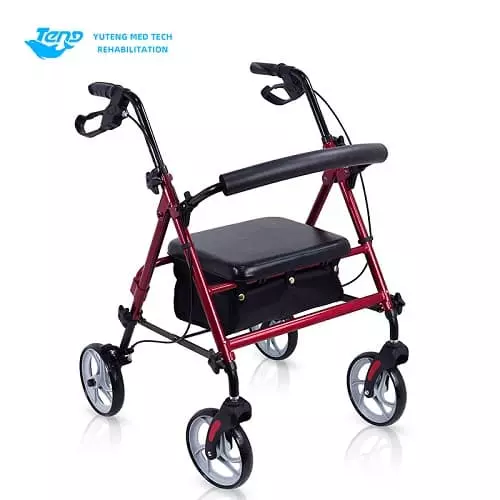
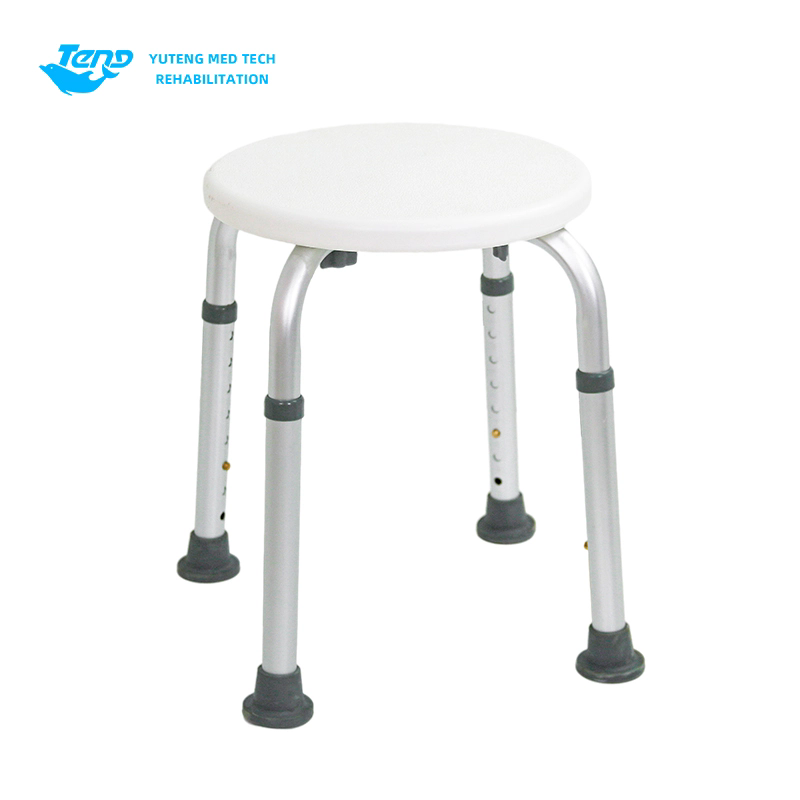
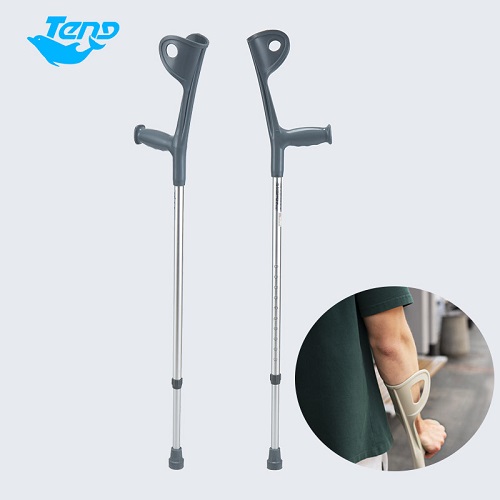
Yuteng Med Tech, established in Foshan, China in 1998, has more than two decades of experience in medical and rehabilitation equipment. With a production base covering 60,000 square metres and a team of over 300 employees, the company provides a wide range of mobility products including traditional wheelchairs, power wheelchairs, rollators, walkers, crutches, commode chairs, shower chairs, hospital beds, scooters, and rehabilitation robots.
One of the strongest factors influencing the mobility equipment sector is the global increase in older populations. As people live longer, maintaining independence and quality of life becomes a priority. Many elderly users need reliable support for daily activities such as moving around the home, visiting medical facilities, or participating in community life.
Aging does not always mean complete loss of mobility. Many people simply require additional assistance to move safely and confidently. This has increased interest in products that combine practical functions with user-friendly designs.
Healthcare providers and families are also paying more attention to comfort and long-term usability. Features such as adjustable structures, easy folding systems, lightweight frames, and ergonomic seating are becoming important considerations when selecting rehabilitation equipment.
Another important factor is the increasing awareness of accessibility needs. People with physical disabilities, temporary injuries, or reduced strength often require equipment that matches their personal conditions and lifestyle.
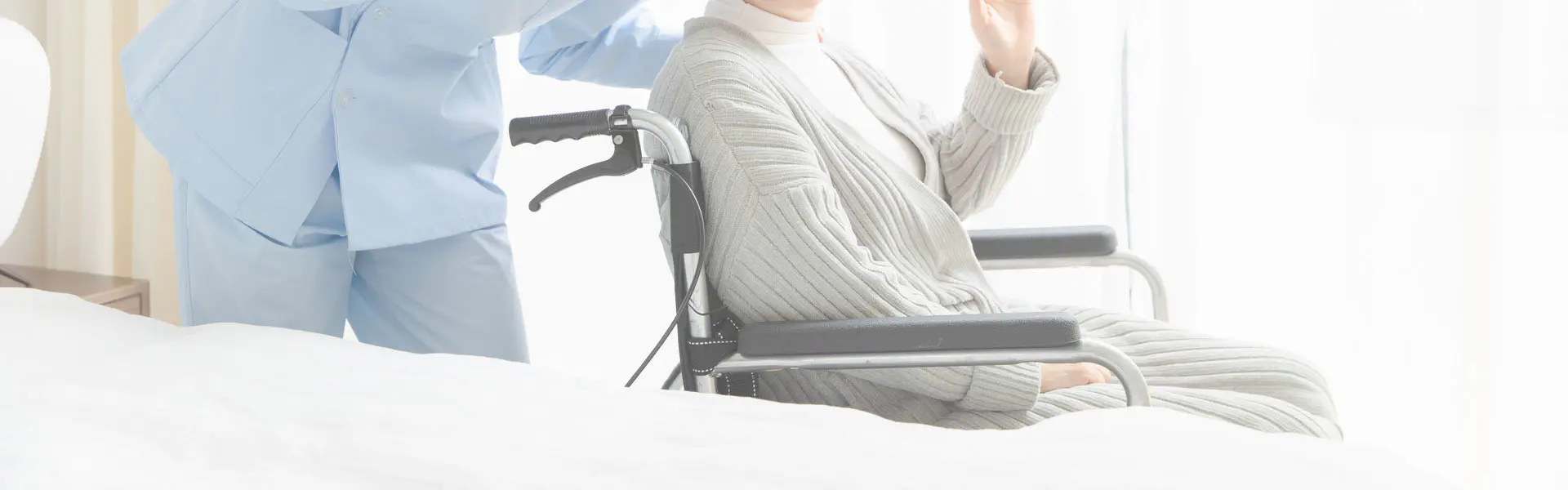
A modern Manual Wheelchair is no longer viewed only as a basic transportation tool. It represents a solution that helps users maintain independence and participate more actively in everyday activities.
The following table highlights some key factors influencing the market:
| Market Driver | User Challenge | Industry Response |
|---|---|---|
| Aging population growth | Reduced walking ability and balance concerns | More comfortable and stable mobility equipment |
| Increasing disability awareness | Need for independent movement | More adaptable rehabilitation solutions |
| Healthcare development | Demand for safer daily care | Improved product quality and usability |
| Technology progress | Expectations for convenience | Smarter designs and enhanced mobility features |
Innovation has become one of the most noticeable trends in rehabilitation equipment. While basic mobility functions remain essential, new technologies are helping improve convenience and user experience.
Modern designs focus on reducing physical effort and making equipment easier to operate. Improvements in materials, structure, and manufacturing processes have contributed to lighter products that remain durable and stable.
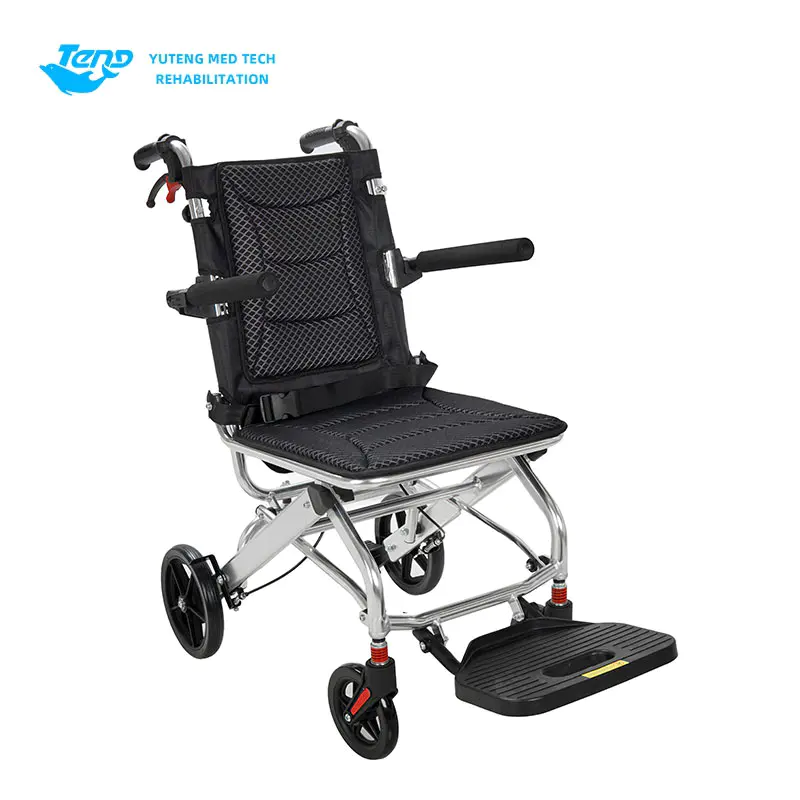
For example, many wheelchair designs now consider storage convenience, transportation needs, and indoor movement. Foldable structures, improved braking systems, and stronger materials allow users to manage daily mobility challenges more effectively.
The development of smart rehabilitation technologies is also influencing future trends. Power-assisted functions, intelligent control systems, and connected healthcare devices are gradually becoming part of the wider mobility ecosystem.
A technology-enhanced Manual Wheelchair can support users who need both independence and reliable assistance, creating a balance between traditional mobility support and modern innovation.
As rehabilitation equipment directly affects daily safety and comfort, quality standards remain a key consideration. Reliable production processes, strict testing procedures, and international certifications help ensure that products meet different regional requirements.
Yuteng Med Tech has developed mature production systems and provides certifications including CE, SGS, ISO, TUV, and FDA-related compliance support according to product requirements. Its experience serving customers in more than 90 countries has helped the company understand different healthcare environments and mobility expectations.
The company’s annual production capacity includes 300,000 wheelchair vehicles, 5 million sets of four-wheel walking aids and crutches, and 3 million sets of bathroom chairs and armrests. These capabilities support consistent product availability while maintaining attention to safety and practical design.
The future of mobility equipment will likely focus on personalization. Different users have different physical conditions, living environments, and mobility goals, which means one standard solution cannot meet every need.
Customization services, including OEM and ODM cooperation, allow rehabilitation equipment to better match specific requirements. At the same time, ready-to-use models with faster availability can help address urgent mobility needs.
The market is also moving toward designs that combine healthcare functions with everyday convenience. Equipment that looks comfortable, operates easily, and fits naturally into daily life is becoming increasingly important.
Another emerging direction is the combination of mobility products with digital technology. Smart monitoring, assisted movement systems, and improved battery solutions for electric products may further expand opportunities in rehabilitation care.
The growth of the mobility equipment sector is driven by several connected factors: aging populations, higher awareness of disability support, and continuous technological progress. These changes are creating stronger demand for solutions that improve independence, safety, and everyday comfort.
As rehabilitation needs continue to evolve, products such as Manual Wheelchair, walkers, shower chairs, hospital beds, and smart mobility devices will remain important parts of modern care systems. With its long-term industry experience and comprehensive rehabilitation product range, Guangdong Foshan Medical Device Pharmaceutical Equipment Co., Ltd. (Yuteng Med Tech) continues to contribute to this changing landscape through practical mobility solutions designed for real-world needs.
-