Guangdong Foshan Medical Device Pharmaceutical Equipment Co., Ltd.
News

How Does a Toilet Manual Wheelchair Improve Daily Care and Mobility?

2026-02-10 0 Leave me a message

Article Summary

A Toilet Manual Wheelchair is a practical mobility aid designed to address daily hygiene, transfer safety, and independent toileting for users with limited mobility. This article explains how this specialized wheelchair works, which problems it solves, and what key factors should be considered before purchase. By exploring structural design, functional benefits, and real-world usage scenarios, readers can gain a clear understanding of how a Toilet Manual Wheelchair supports caregivers, medical institutions, and end users alike.

High-Back Commode Wheelchair

Table of Contents


Article Outline

  • Identify user and caregiver pain points
  • Explain the role of a Toilet Manual Wheelchair
  • Analyze structure, safety, and usability
  • Provide selection guidance and FAQs

Common Challenges in Daily Toileting Care

For individuals with reduced mobility, toileting can become one of the most difficult daily activities. Traditional wheelchairs are often not compatible with toilet access, while repeated transfers increase the risk of falls, caregiver strain, and discomfort.

  • Difficulty transferring between wheelchair and toilet
  • High physical burden on caregivers
  • Increased risk of slips and secondary injuries
  • Lack of dignity and privacy for users
  • Limited suitability for hospital and home care environments

These challenges highlight the need for a mobility solution specifically designed for toileting tasks rather than general movement alone.


What Is a Toilet Manual Wheelchair?

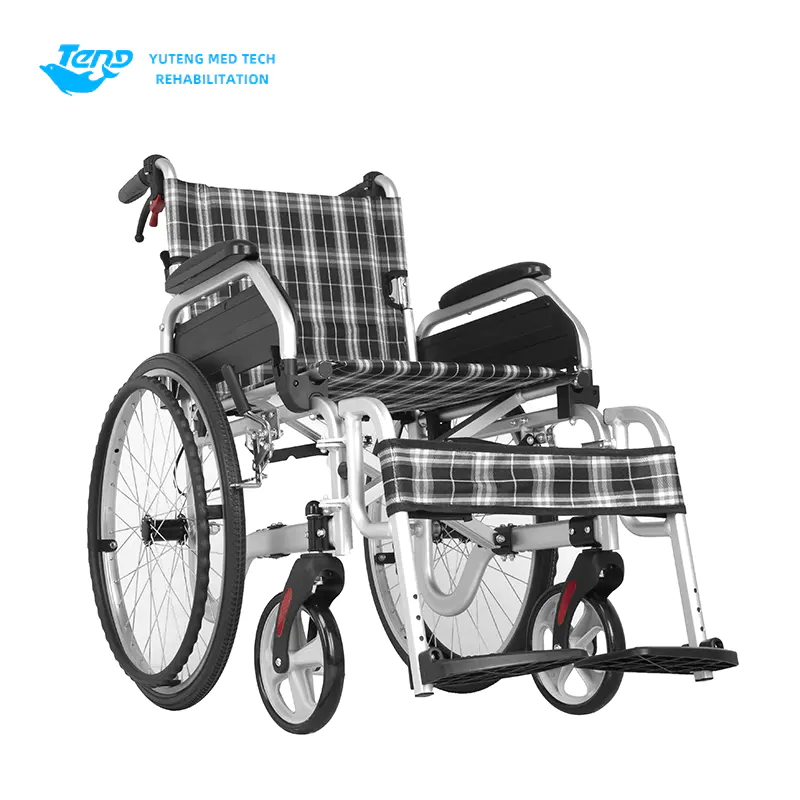
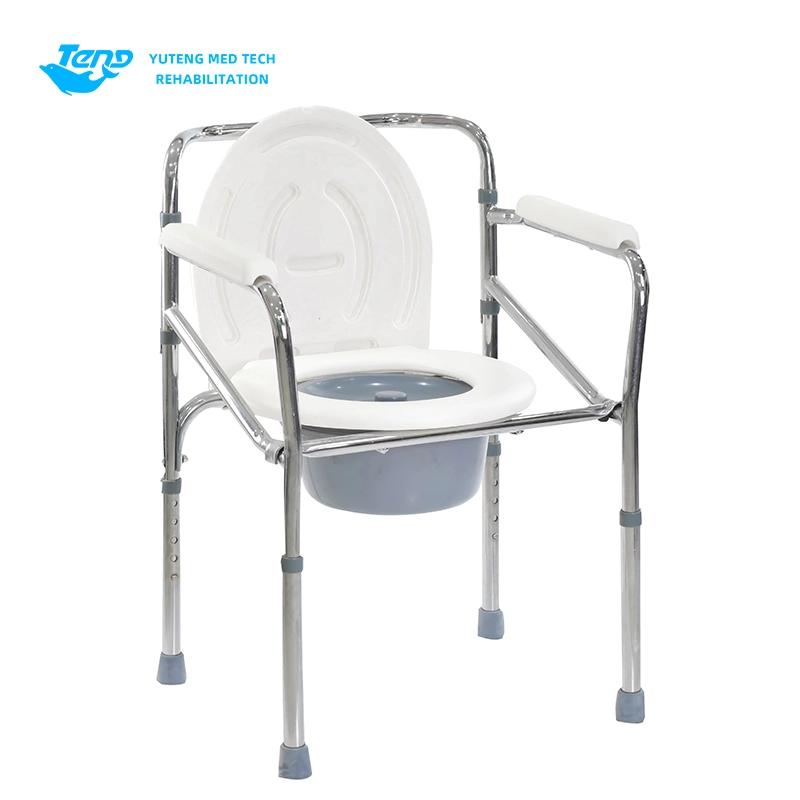
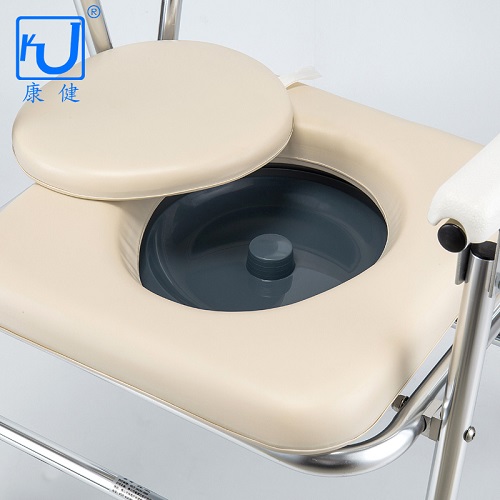
A Toilet Manual Wheelchair is a manually operated wheelchair integrated with a commode opening or removable toilet bucket. It allows users to complete toileting activities directly on the chair or position the chair over a standard toilet.

Unlike conventional wheelchairs, this design prioritizes hygiene, accessibility, and ease of cleaning. It serves as both a mobility aid and a toileting solution, reducing the need for frequent transfers.


Core Functions and Practical Benefits

  • Integrated toileting access: Built-in commode opening supports direct use.
  • Manual control: Simple hand-operated movement ensures reliability and low maintenance.
  • Caregiver efficiency: Reduces lifting and repetitive transfers.
  • User comfort: Ergonomic seating and back support improve tolerance for longer use.
  • Enhanced safety: Locking brakes and stable frames minimize movement during use.

Structural Design and Key Components

Understanding the structural design helps buyers evaluate durability and usability. Most Toilet Manual Wheelchairs include the following components:

  • High-strength metal or aluminum frame
  • Water-resistant seat with toilet opening
  • Detachable commode bucket or direct toilet alignment
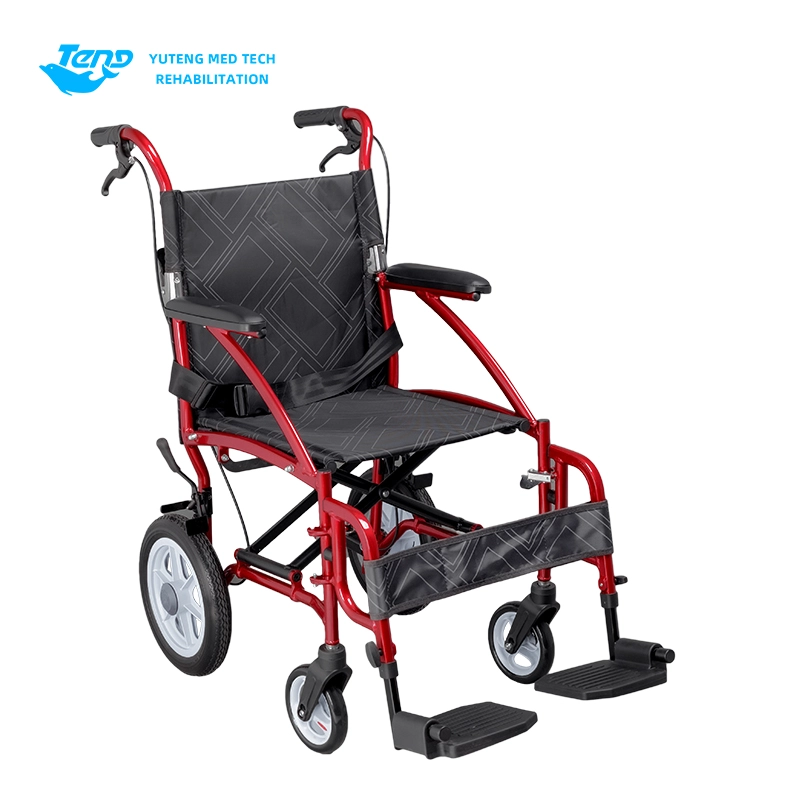
  • Manual push handles and rear wheels
  • Lockable casters for stationary safety
  • Flip-up armrests and footrests for easier transfer

These elements are designed to withstand frequent cleaning while maintaining long-term structural stability.


Typical Application Scenarios

A Toilet Manual Wheelchair is widely used across multiple care environments:

  • Home care for elderly or disabled individuals
  • Hospitals and rehabilitation centers
  • Nursing homes and long-term care facilities
  • Post-surgery recovery settings

Its adaptability makes it suitable for both short-term recovery and long-term mobility assistance.


How to Choose the Right Toilet Manual Wheelchair

Selecting the right model requires balancing comfort, safety, and environment-specific needs. Key considerations include:

  • User weight capacity and seat dimensions
  • Frame material and corrosion resistance
  • Ease of cleaning and maintenance
  • Brake system reliability
  • Compatibility with standard toilets

Care facilities should also consider storage space, frequency of use, and caregiver workflow when making a selection.


Key Features Comparison Table

Feature Standard Wheelchair Toilet Manual Wheelchair
Toileting Access Not available Integrated or removable commode
Transfer Requirement High Low
Cleaning Convenience Moderate Designed for hygiene
Caregiver Effort Higher Reduced

Frequently Asked Questions

Is a Toilet Manual Wheelchair suitable for home use?
Yes. Its compact structure and manual operation make it ideal for bathrooms and bedrooms in home care settings.

Can it be positioned over a standard toilet?
Many models are designed to align directly over standard toilets, depending on seat height and frame width.

How easy is it to clean?
Most components are water-resistant and designed for quick disassembly, allowing thorough and frequent cleaning.

Does it require electricity?
No. Manual operation ensures stable performance without reliance on power sources.


Conclusion and Next Steps

A Toilet Manual Wheelchair is more than a mobility device; it is a practical solution that improves safety, dignity, and efficiency in daily toileting care. By reducing transfer risks and simplifying hygiene management, it delivers clear value to both users and caregivers.

Yuteng Medical Technology focuses on developing reliable and user-oriented medical mobility solutions. For detailed specifications, customization options, or professional guidance on selecting the right Toilet Manual Wheelchair for your application, contact us today to explore how tailored solutions can support safer and more comfortable daily care.

Related News
Leave me a message
X
We use cookies to offer you a better browsing experience, analyze site traffic and personalize content. By using this site, you agree to our use of cookies. Privacy Policy
Reject Accept