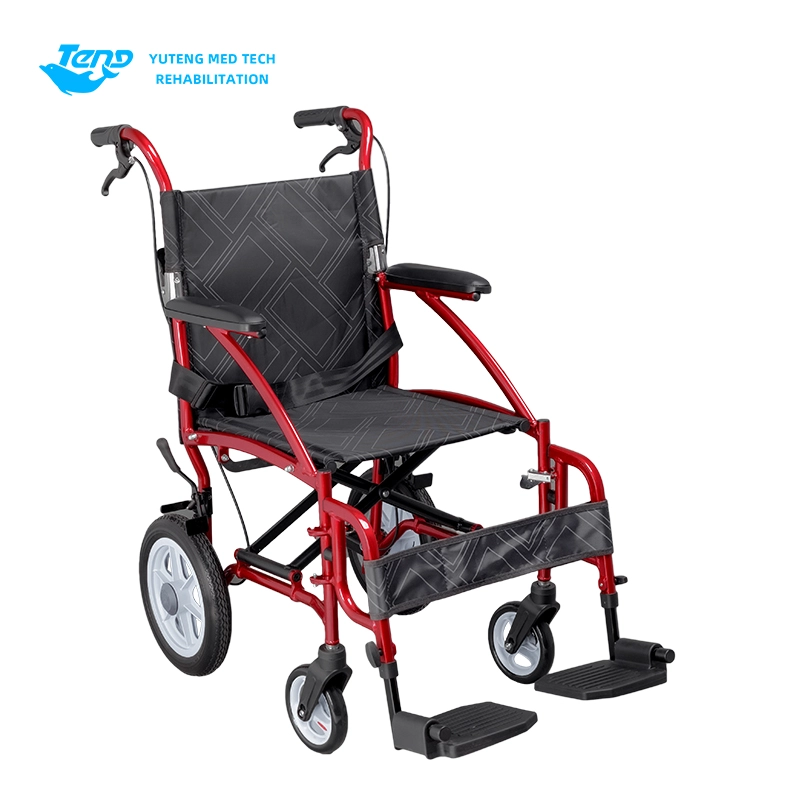
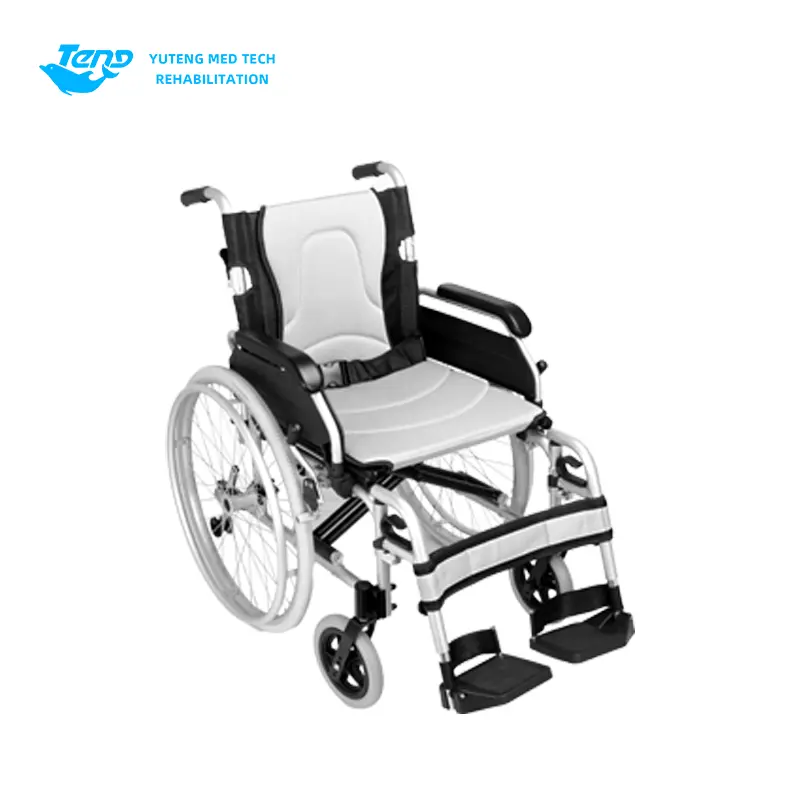
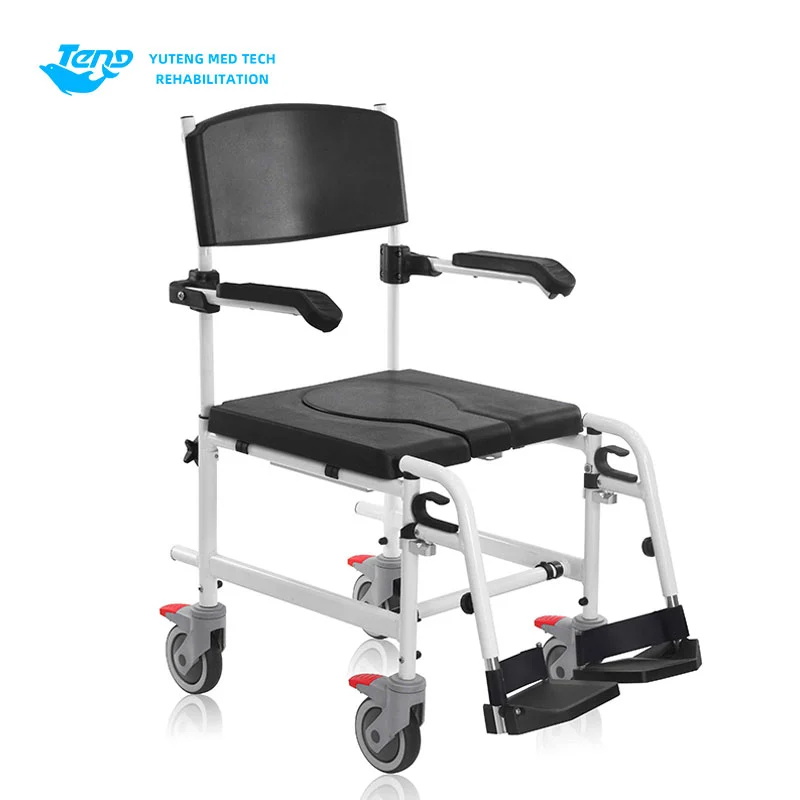
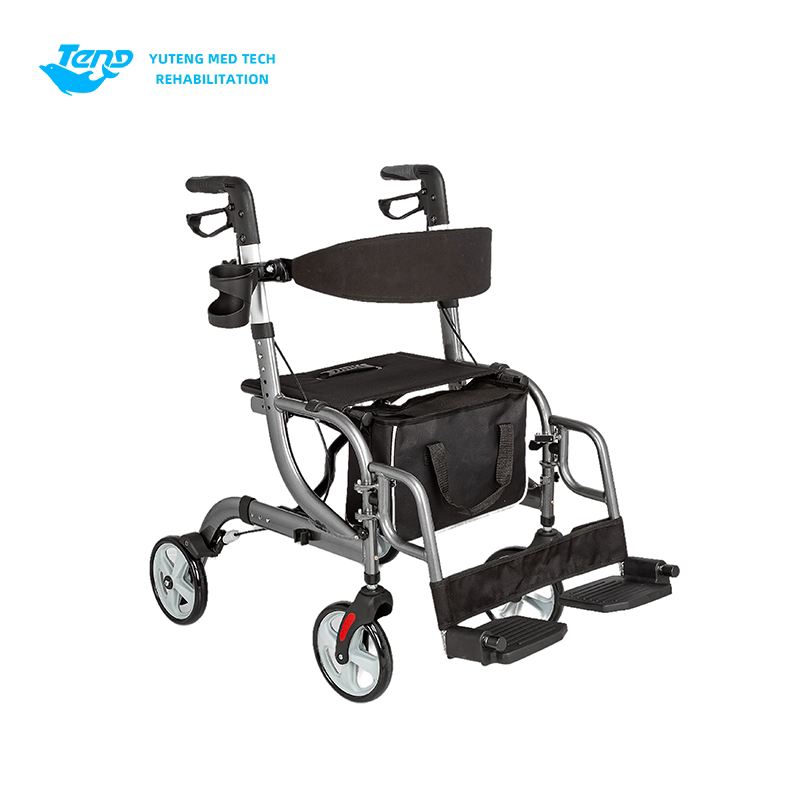
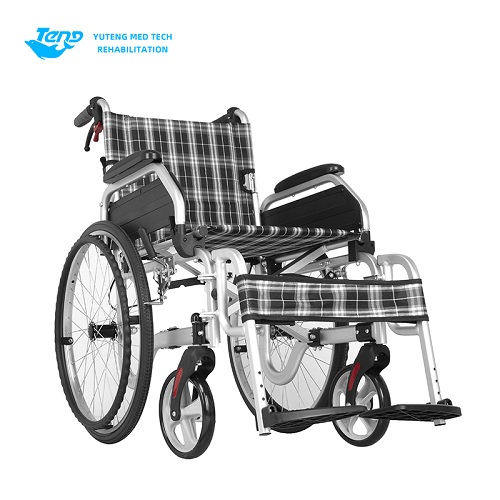
Yuteng Med Tech’s Multifunctional Aluminum Manual Wheelchair reflects a new direction in mobility care, where lightweight design, daily comfort, and flexible functions are becoming increasingly important for users worldwide. The shift is driven by aging populations, accessibility needs, and advances in rehabilitation equipment design.
For many years, wheelchairs were mainly viewed as simple mobility tools designed to help people move from one place to another. Today, expectations are changing. Mobility equipment is increasingly connected with independence, lifestyle needs, and quality of daily care.
The global aging trend has increased attention on products that support safer movement at home, in healthcare environments, and during outdoor activities. At the same time, people with temporary injuries, physical limitations, or long-term mobility challenges are looking for equipment that provides greater flexibility without creating additional difficulties in daily use.
Industry discussions in 2026 show that lightweight materials, foldable structures, and user-focused designs are becoming important trends in wheelchair development. Aluminum has gained attention because it offers a balance between strength, weight reduction, and corrosion resistance.
A Multifunctional Aluminum Manual Wheelchair represents this change by combining traditional mobility support with features designed around real-life situations, such as transportation, storage, comfort adjustment, and caregiver convenience.
Material innovation has played an important role in improving wheelchair performance. Traditional steel frames provide strength but can create challenges related to weight and transportation. Aluminum frames help reduce overall weight while maintaining structural stability.
For users and caregivers, a lighter frame can make everyday activities easier. Moving equipment into vehicles, storing it in smaller spaces, or handling it during travel becomes less complicated.
The advantages of aluminum design include:
| Aluminum Design Feature | Practical Impact |
|---|---|
| Lightweight frame structure | Easier transportation and handling |
| Strong metal properties | Supports stable daily use |
| Corrosion resistance | Better adaptation to different environments |
| Flexible processing | Allows more ergonomic designs |
The development of lightweight wheelchairs is not only about reducing kilograms. It is about improving the relationship between users and their mobility equipment. A chair that is easier to manage can encourage more frequent use and support a more active lifestyle.
Modern mobility needs are becoming more diverse. A wheelchair used only indoors may require different features compared with one used for travel, rehabilitation centers, or community activities.
This has encouraged designers to focus on multifunctional structures. Adjustable components, foldable systems, comfortable seating designs, and practical accessories are becoming common considerations.
A modern Multifunctional Aluminum Manual Wheelchair can help address several daily challenges:
Instead of focusing on a single purpose, multifunctional designs aim to adapt to different environments and routines.
Population aging is one of the strongest forces influencing the rehabilitation equipment sector. As life expectancy increases, maintaining independence and mobility becomes a major concern for many families and healthcare systems.
Older adults often face reduced muscle strength, balance difficulties, or slower movement. However, many still want to participate in everyday activities rather than remain limited to one location.
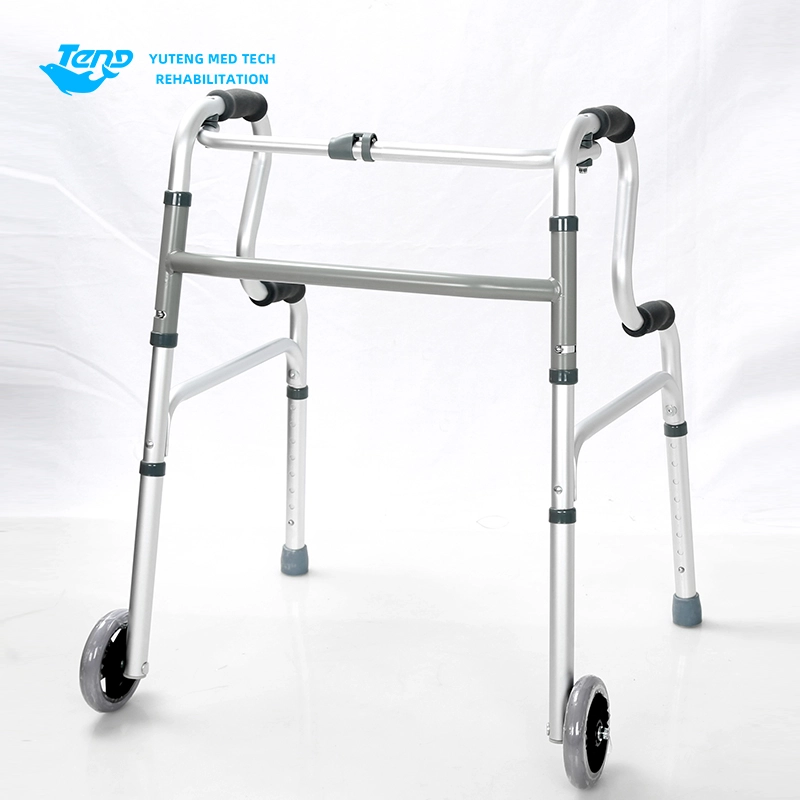
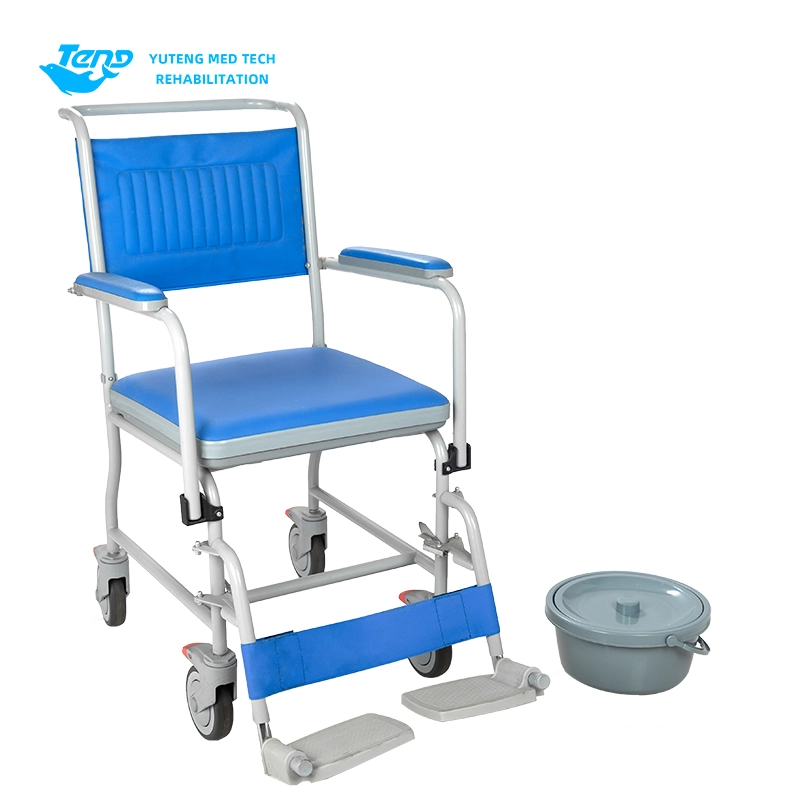
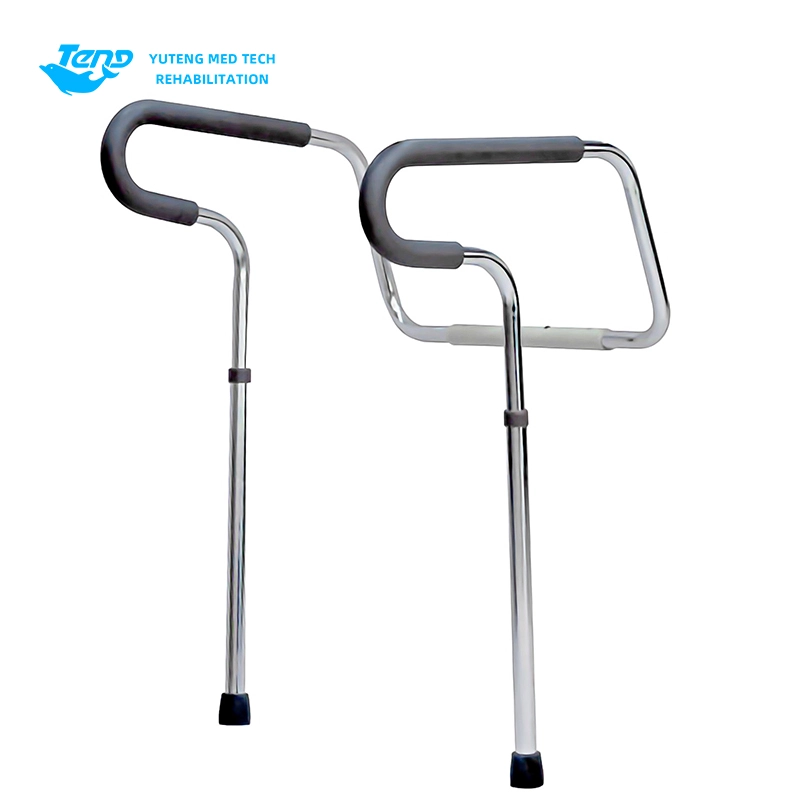
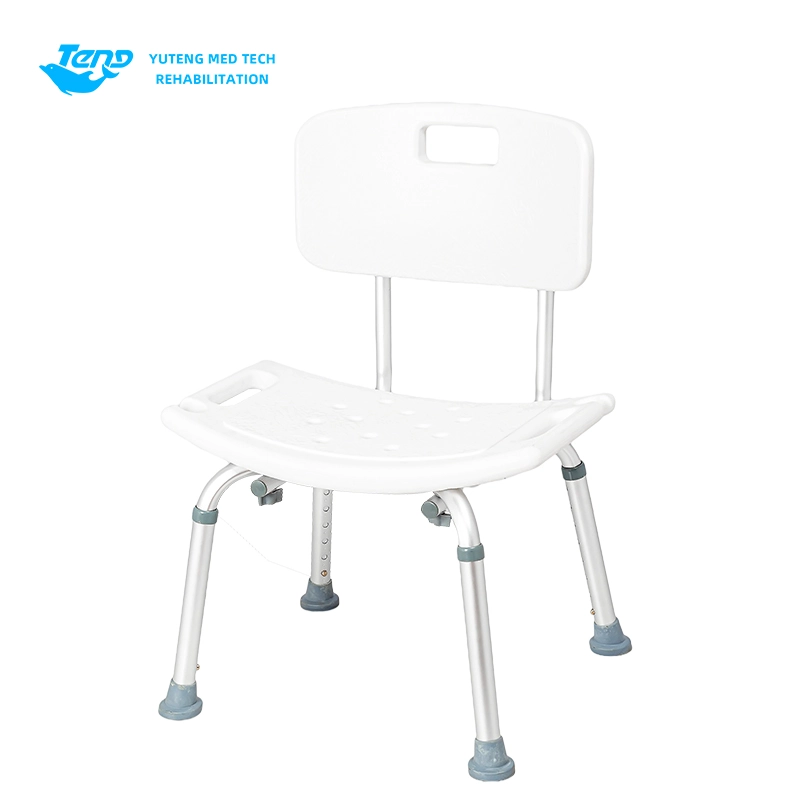
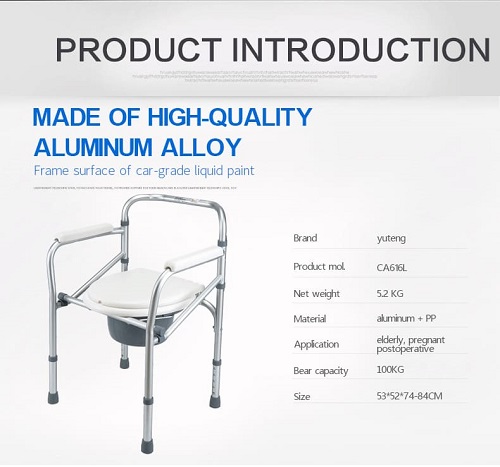
This creates demand for equipment that supports independence while remaining easy for caregivers to manage. Lightweight manual wheelchairs, walking aids, shower chairs, and other rehabilitation products are increasingly becoming part of home-based care systems.
Research and market analysis in recent years have highlighted that manual wheelchairs continue to play an important role because of their portability, mechanical simplicity, and suitability for various care environments.
Although manual wheelchairs rely on human movement rather than electric systems, technology continues to influence their development.
New manufacturing methods allow designers to improve frame structures, seating comfort, and usability. Precision processing, stronger materials, and improved component design help create products that are more comfortable and easier to maintain.
The industry is also exploring ways to combine manual mobility with smart assistance technologies. Some emerging solutions include power-assist modules, connected monitoring systems, and modular accessories that can extend wheelchair functions.
However, technology development is not only about adding more features. The key challenge is creating practical improvements that solve real problems without making equipment complicated.
Another important trend is the changing role of mobility equipment. Wheelchairs are increasingly viewed as part of everyday life rather than only medical devices.
Users may need mobility support while shopping, visiting public spaces, traveling, or participating in social activities. This means appearance, comfort, portability, and ease of operation are becoming more important factors.
A well-designed wheelchair should fit naturally into daily routines. Simple folding mechanisms, comfortable seating, and adaptable structures can make a significant difference in user experience.
This approach also influences rehabilitation environments. Hospitals, care facilities, and homecare settings increasingly consider how equipment can support both safety and independence.
As mobility equipment directly affects user safety, quality control and certification continue to receive attention across international markets.
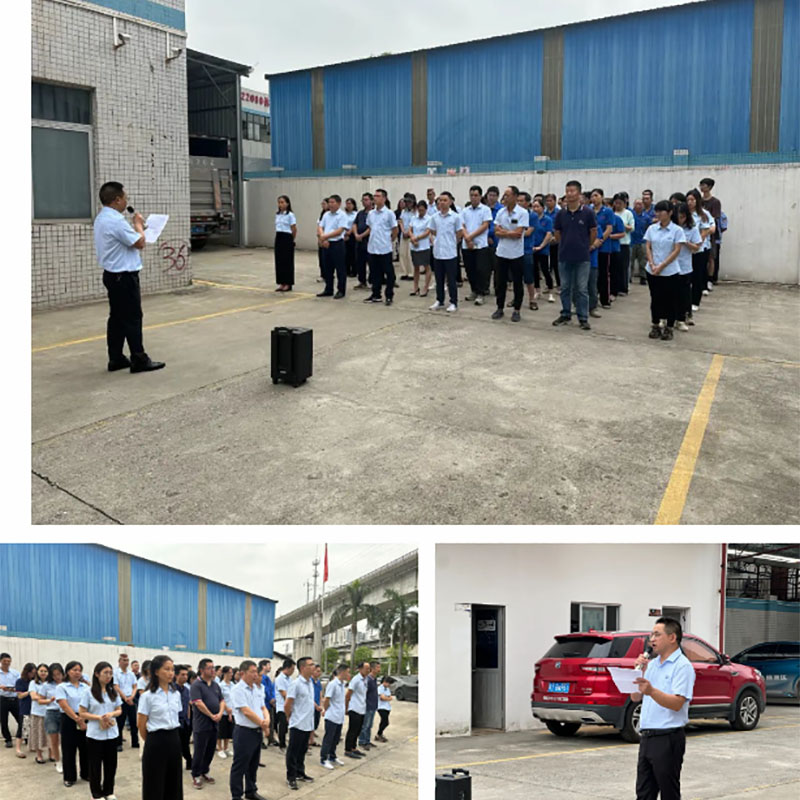
Yuteng Med Tech, founded in Foshan, China in 1998, has developed extensive experience in rehabilitation equipment production. The company operates a 60,000-square-metre production base with more than 300 employees and provides various mobility products including wheelchairs, walkers, rollators, hospital beds, scooters, and rehabilitation equipment.
Its product development follows international market requirements, with certifications and testing support including CE, SGS, ISO, TUV, and FDA-related standards. The company has also built production capabilities covering 300,000 wheelchair vehicles annually, along with millions of walking aids and bathroom care products.
The development of modern mobility equipment shows a clear movement toward lighter materials, multifunctional structures, and user-centered design. Aging populations, accessibility awareness, and technology improvements are continuing to reshape expectations for rehabilitation products.
The growth of Multifunctional Aluminum Manual Wheelchair solutions reflects a wider industry transformation—from basic movement assistance toward flexible mobility support that fits different lifestyles and care environments. With its long experience in rehabilitation equipment development, Guangdong Foshan Medical Device Pharmaceutical Equipment Co., Ltd. (Yuteng Med Tech) continues to participate in this evolving field by focusing on practical designs that respond to changing mobility needs.